


A real Marine's search for forgiveness became the movie 'Atonement'
A real Marine's search for forgiveness became the movie 'Atonement'

Patrick Ryan, USA TODAYSat, October 3, 2026 at 4:12 PM UTC
0
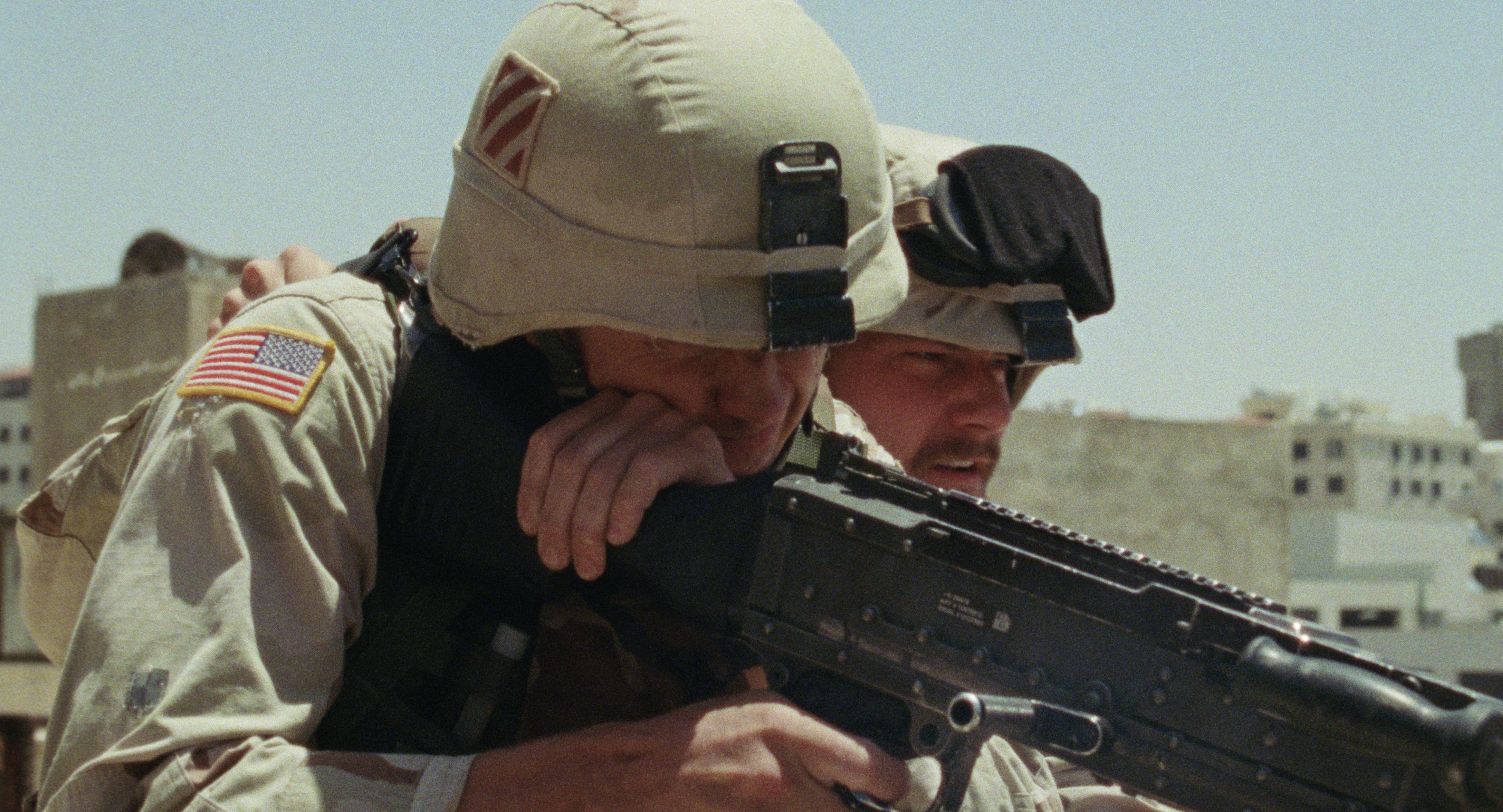
NEW YORK − In 2012, filmmaker Reed Van Dyk was doing some Sunday morning reading when he stumbled on a 2012 New Yorker article by Dexter Filkins entitled “Atonement.”
The 12-page story centers on an Iraqi woman who meets face to face with the former U.S. Marine who, with his unit, killed her husband and two sons after mistaking their vehicle for a hostile threat.
“I remember that it touched something very deeply in me,” Van Dyk recalls. He went on to direct a slew of unrelated short films ‒ earning an Oscar nod for “DeKalb Elementary” in 2018 ‒ but the story always lingered in the back of his mind.
Cut to roughly a decade later, when he finally had the resources to make his heartrending and compassionate first movie, “Atonement” (in select theaters now, nationwide Oct. 9), which is adapted from Filkins’ article.
“There was something profound that transpired in that meeting between them,” Van Dyk says of the drama’s real-life subjects, speaking during a Q&A moderated by USA TODAY at Angelika Film Center. “The film also felt like an opportunity to foreground the Iraqi civilian experience, which was something I really hoped to do.”
Join our Watch Party! Sign up to receive USA TODAY's movie and TV recommendations right in your inbox
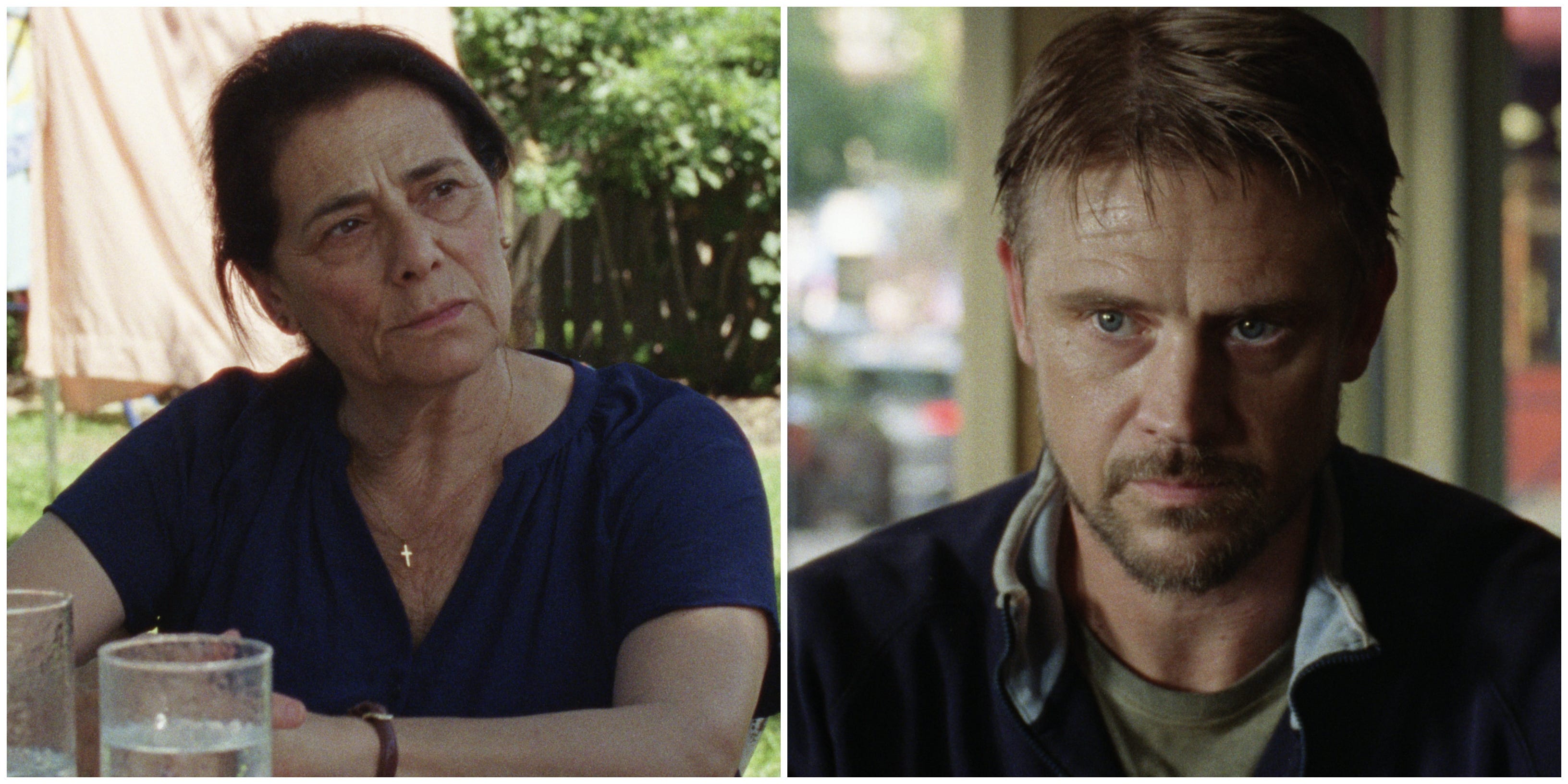
Set years after the Iraq War, “Atonement” follows veteran Lou D'Alessandro (Boyd Holbrook) as he struggles with post-traumatic stress disorder and insurmountable guilt over the 2003 civilian incident. Searching for answers and absolution, Lou reaches out to journalist Michael Reid (Kenneth Branagh) and arranges a visit with Mariam Khachaturian (Hiam Abbass), who has since relocated to the United States with her family.
Van Dyk wrote “Atonement” after spending extensive time with the people who inspired the movie. Holbrook did extensive research into the physical and mental toll of PTSD, and also met with the actual Lou.
Two decades ago, “there probably weren’t as many [mental health] resources as there are now,” Holbrook says. “I just found it really courageous that Lou had almost a spiritual calling to go find these people. There’s consequences, but he felt, ‘Well, you either face this or you don’t.’
Advertisement
“That’s the beauty in this story,” Holbrook adds. “He’s been shattered but he finds [the strength] to repair.”
Abbass opted not to meet the actual Mariam or read the New Yorker article, giving her the freedom to interpret the character from what Van Dyk had written. What she found so moving was the way that Mariam tries to understand Lou’s pain, despite his role in her loved ones’ deaths.
“We want to give you everything you need to move on, so we forgive you,” Mariam tells Lou, amid prolonged silences and tears. “We don’t want you to suffer over this.”
She is “able to be with him in the same room and look him in the eyes and keep being strong and in control of her emotions,” Abbass says. “These moments for me felt beyond humanity; beyond the capacity of human beings.”
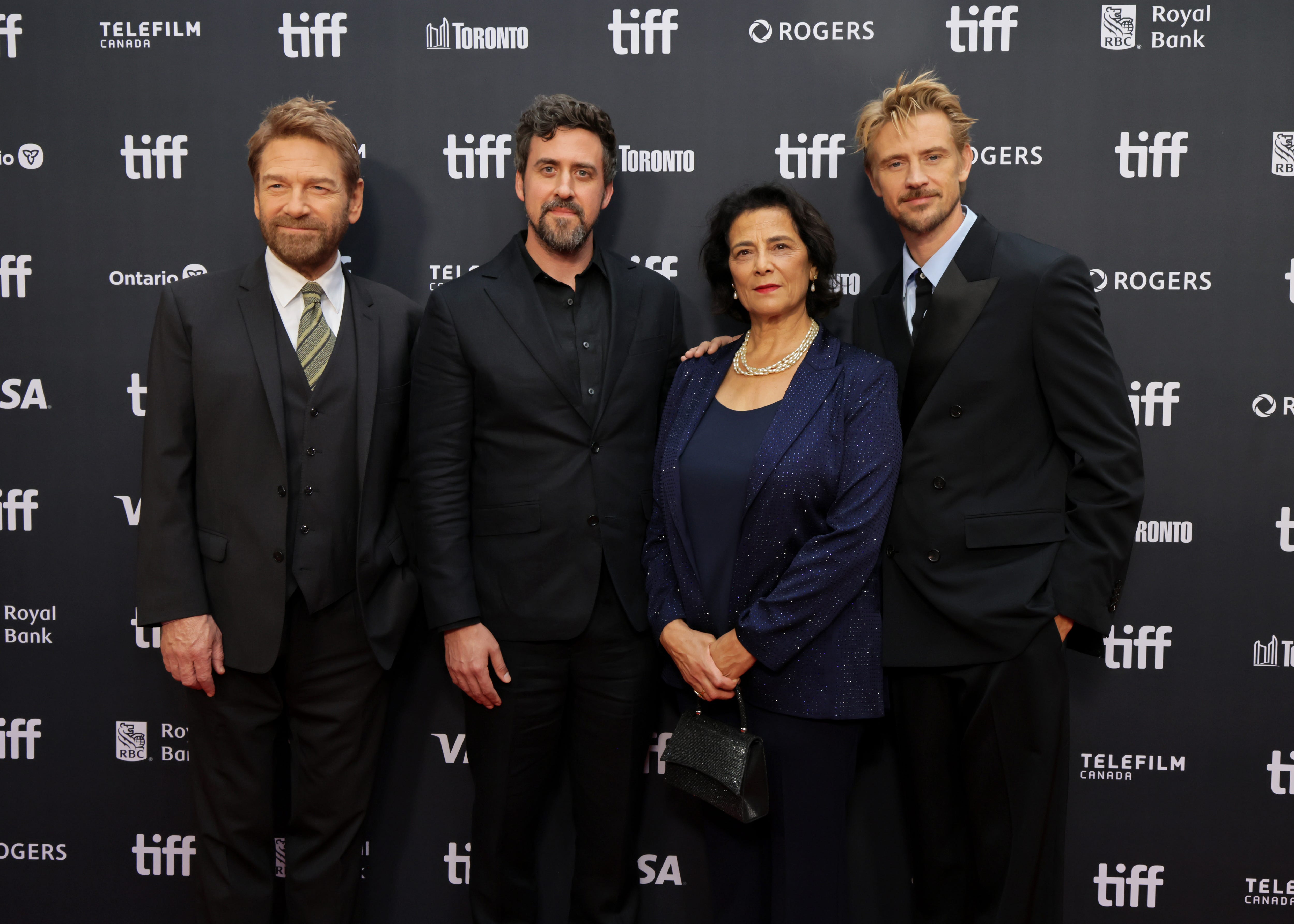
Van Dyk looked to documentaries such as “Restrepo” and “Homeland: Iraq Year Zero,” and relied on Iraqi actors such as Gheed − who plays Mariam’s daughter, Nora − to help capture the nuances of everyday life in Baghdad.
In Hollywood war movies, “we’re used to seeing Iraqi people through sniper scopes,” Van Dyk says. “It felt like a unique opportunity to live very intimately alongside them, and have them be our characters before we ever meet the Americans.”
Also, “the language of combat in war films is almost a public sporting event: ‘Our side, their side, who's up, who's down,’ ” Van Dyk adds. Instead, he wanted to make a quieter character study about veterans, “really just taking a long and close look at these young men who were tasked with pulling the trigger.“
In taking on this project, Holbrook hopes that he can “do justice” to the men and women who have served in the military. Abbass, meanwhile, wants “Atonement” to also shed a light on the “tragedy” of innocent civilians during wartime.
As a Palestinian woman, she knows firsthand that “wars have never been the answer to anything in life,” Abbass says. “I just really hope this kind of movie − that deals with the humanity of victims − would be a testimony to how we all can help each other.”
This article originally appeared on USA TODAY: A real Marine's search for forgiveness became the movie 'Atonement'
Source: “AOL Entertainment”
