


Cabinet concerns over Healey’s potential bank tax
Cabinet concerns over Healey’s potential bank tax

Camilla TurnerSat, October 3, 2026 at 5:00 PM UTC
0
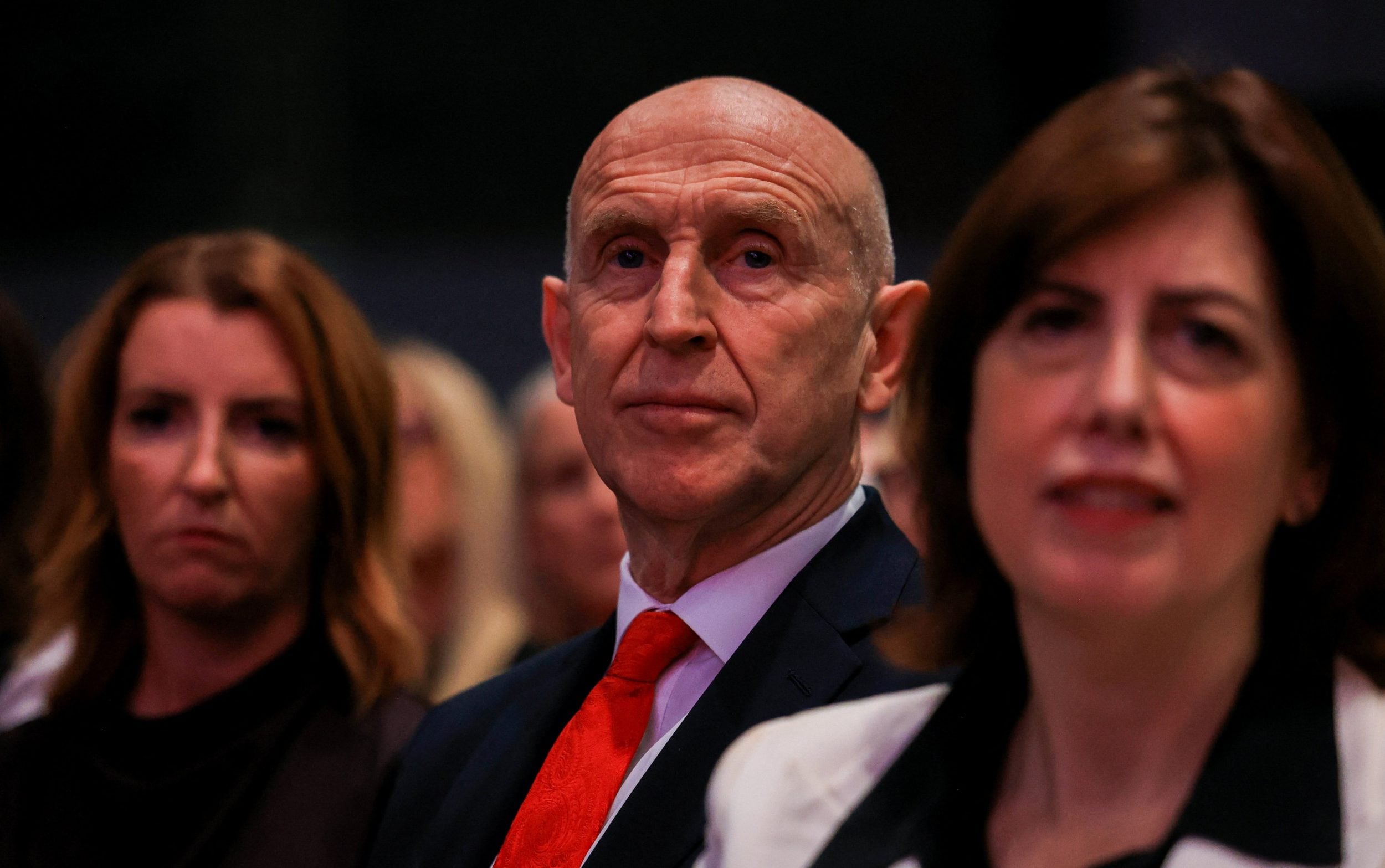
John Healey will be in ‘listening mode’ when he meets bank chiefs for the first time as Chancellor on Tuesday - Temilade Adelaja
Cabinet ministers have raised concerns about higher taxes on banks, warning they would damage business and dampen growth.
John Healey, the Chancellor of the Exchequer, is considering the policy as the Budget approaches in an attempt to plug a £4.7bn hole in the public finances while seeking to avoid direct tax increases on individuals.
He has summoned banking chiefs to a summit on Tuesday which will be their first in-person meeting since he entered No 11.
The chief executives of lenders including Barclays, HSBC, Lloyds Banking Group and NatWest Group have been invited to the meeting.
Mr Healey will be in “listening mode” during the summit, according to Treasury sources who said the event forms part of his regular engagement with the banking sector.
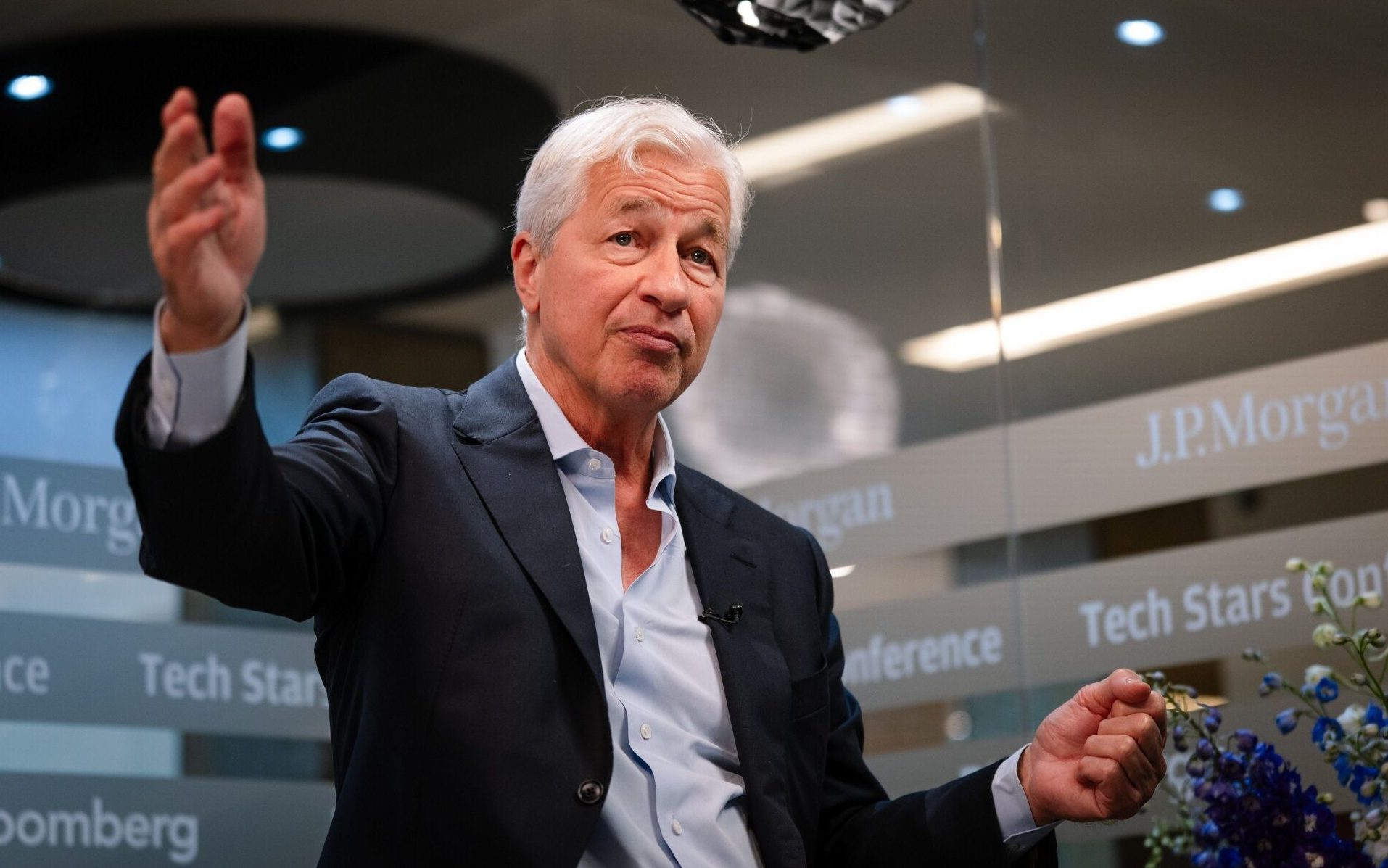
Jamie Dimon, the chief executive of JP Morgan, is among those who has warned that heavier taxes on banks will damage the UK - Jose Sarmento Matos/Bloomberg
But there are growing fears in the banking industry that Mr Healey will launch a billion-pound tax raid on the sector to fund public spending.
Senior ministers told The Telegraph that they are against a tax on banks, as they believe this would send the wrong message to businesses looking to invest in the UK.
They also think it would be unhelpful for the Prime Minister’s drive to boost growth, particularly given the widespread tax increases at the last Budget.
One minister cautioned that it was unwise to tax “everything at once”, noting that businesses were already struggling with the increase in business rates and national insurance contributions.
The Telegraph has also learnt that Treasury officials are preparing a series of “good news” stories to be announced in the run-up to the Budget.
These include measures that banks have been lobbying for, leading some insiders to suspect an attempt to shore up goodwill before a major tax raid on bank profits.
Hitting companies while shielding individual taxpayers would allow Mr Healey to regain fiscal headroom damaged by high gilt rates and the impact of the war in Iran, while also raising a few billion pounds to spend on defence and other priorities.
Advertisement
One option under consideration would be for the Treasury to launch a time-limited “windfall” tax on banking profits, modelled on a similar policy that has been applied to oil and gas giants since the start of the war in Ukraine.
Rachel Reeves resisted calls for more tax on lenders during her spell as chancellor, calling financial services “the crown jewel in the UK economy”, and encouraging regulators to relax rules in the City.
UK Finance, the financial industry’s trade association, has urged Mr Healey not to launch any further taxes on banks, warning that they could drive investment away from the City of London.
In a letter to the Chancellor in August, the sector warned against a “damaging” raid on the industry.
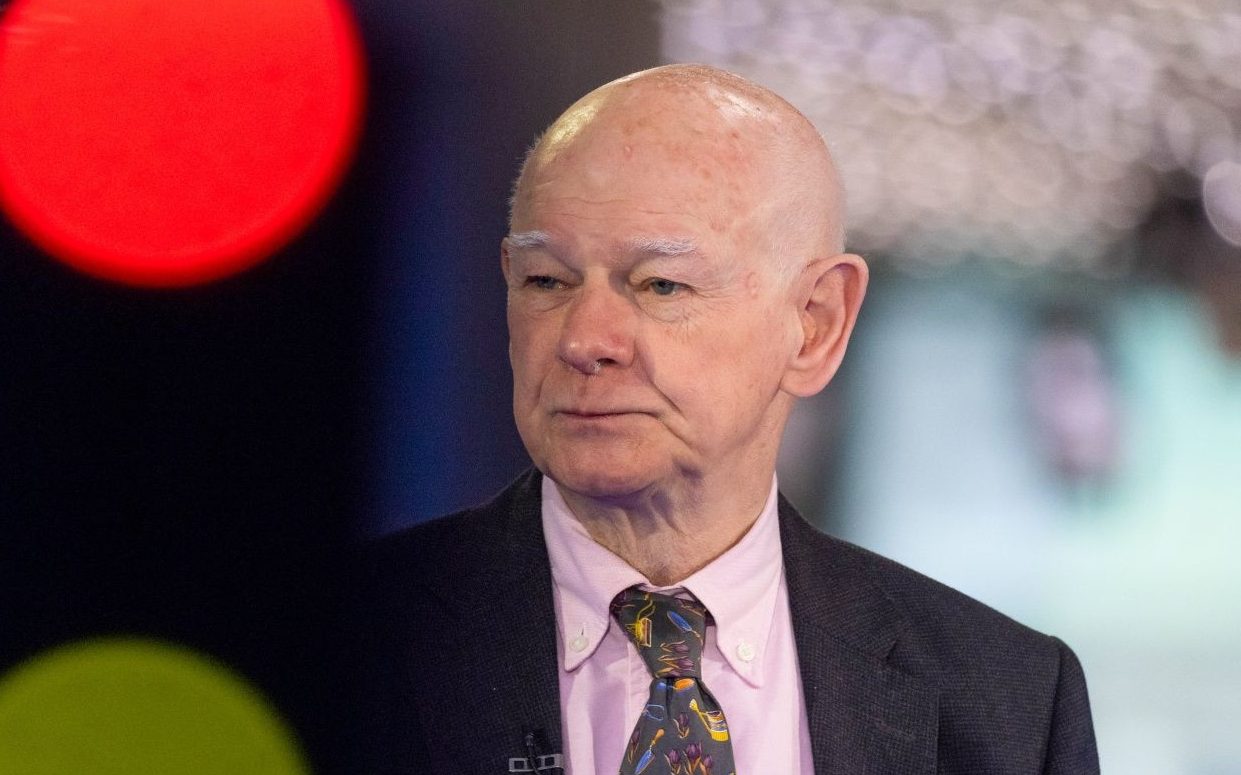
Sir Howard Davies, the former chairman of NatWest, believes that higher taxes will drive jobs abroad - Jason Alden/Bloomberg
British banks already pay one of the highest tax rates in the world at nearly 47 per cent, according to UK Finance.
It pointed out that banking “accounts for over £1 in every £25 of economic output”, and that the UK tax environment played a “meaningful role in decisions about where individual banks invest, deploy capital and allocate jobs”.
Jamie Dimon, the chief executive of JP Morgan, has also warned Mr Healey that raising taxes on UK banks could trigger staff to move abroad. He said in an interview earlier this year that there would be “adverse consequences” if Labour targeted lenders with fresh windfall taxes.
And Sir Howard Davies, the former chairman of NatWest, also cautioned against a move that he believes risks sending banking activities abroad.
The top four UK banks have dramatically outperformed the rest of the economy in the past year, posting an average 21 per cent increase in profits in the first half of 2026 compared with the same period in 2025.
Treasury officials told The Telegraph that the Government kept bank taxes “under review”, and that Mr Healey was “fully focused” on his priorities, which were to give families and businesses “a bit of breathing space”, as well as backing British jobs and driving growth in every postcode.
These priorities would be underpinned by a commitment to meet the fiscal rules, they added.
A Treasury spokesman said: “As has always been the case, decisions on tax are a matter for the Chancellor to set out at fiscal events, rather than routinely commenting on rumour, speculation or proposals.”
Source: “AOL Money”
