


Christine Borland, Turner-nominated artist whose exhibits of human bones questioned medical ethics
Christine Borland, Turner-nominated artist whose exhibits of human bones questioned medical ethics

Telegraph ObituariesWed, August 5, 2026 at 10:21 AM UTC
0
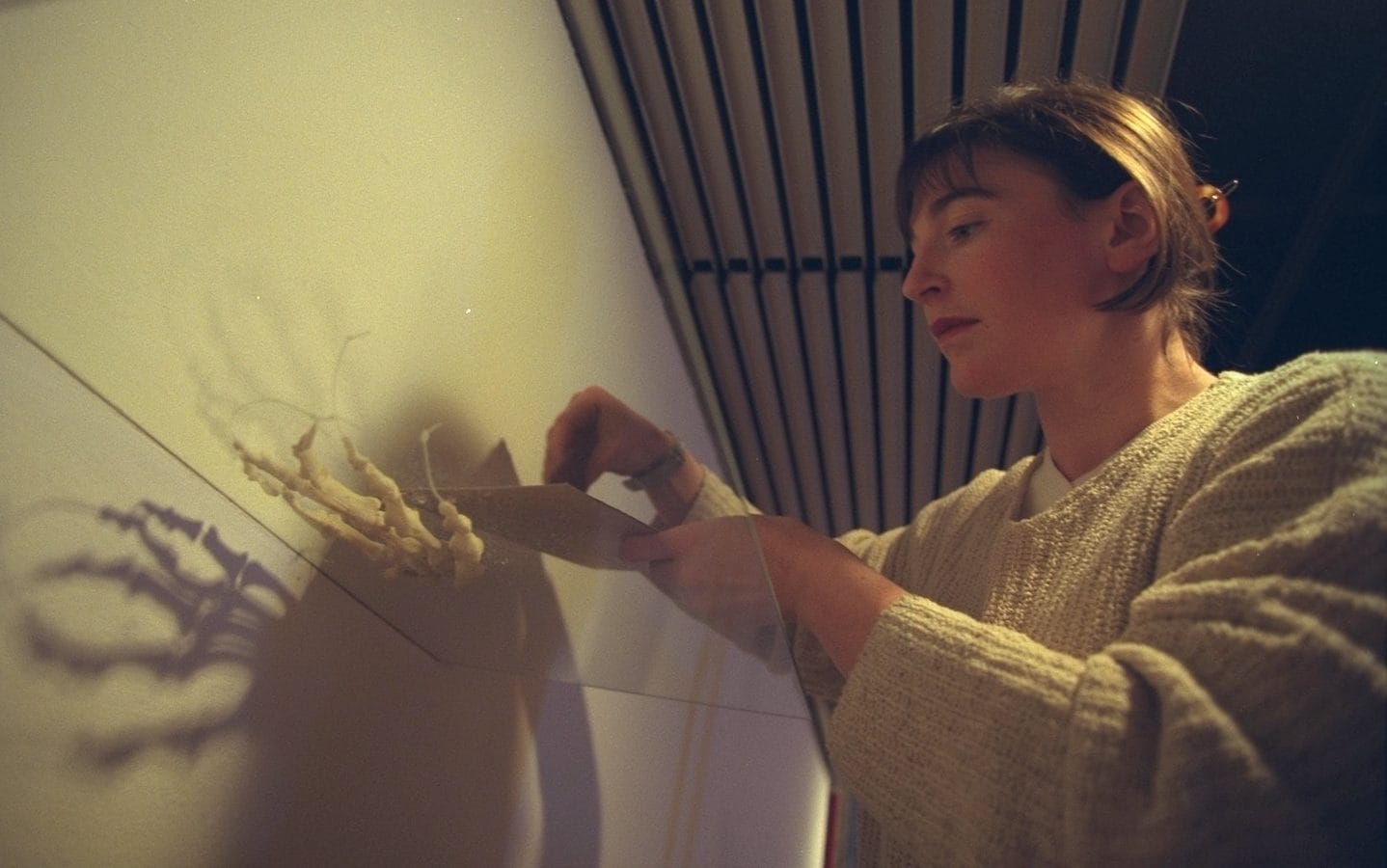
Christine Borland installing her work at the Hayward Gallery, 1997 - Karen Davies
Christine Borland, who has died aged 61, was a Turner Prize-nominated artist who made her name exhibiting human bones.
The Sunday Telegraph’s Richard Dorment judged her “one of the most interesting young artists working in Britain today”, her work pushing the line of medical ethics “with a lightness and elegance that belies its serious nature”.
For her debut show in 1994 at Glasgow’s Tramway gallery, Christine Borland paid £900 for a complete set of bones, bought by mail order from a supplier of medical education aids, one of the last human remains allowed to be purchased in such a way.
The artwork, From Life, documented her efforts to find out more about the human being behind the body. She commissioned an osteologist to identify the bones as belonging to an Asian female, 5ft 2inches tall, and aged 25. The woman had had at least one child. Christine Borland then commissioned forensic scientists to recreate the unknown woman’s face, which she cast in bronze.
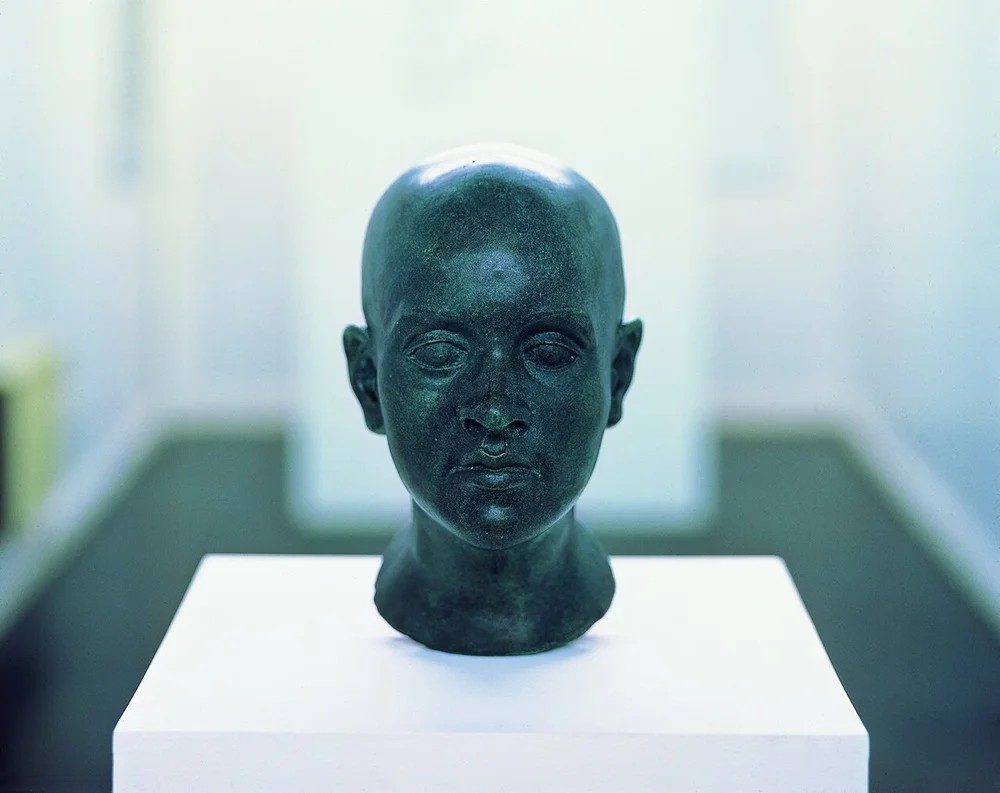
The bronze reconstruction of the Asian woman’s face in From Life, 1994 - Estate of Christine Borland/with thanks to Patricia Fleming Gallery
“They stopped supplying real bones to medical schools, as supplies tended to come from India,” she told The Sunday Telegraph. “There was a certain ‘no-questions-asked’ aspect to the trade. They suspected people were being murdered for the skeletons. It’s very tragic. But I think that’s what happened to her.”
She returned to bones again for the Turner Prize, though this time just their ghostly outline was present. In Giant & Fairy Tale, the 19th-century models of a 7ft adult male and 2ft nine-year-old girl – both exhibited in freak shows after their deaths – were placed on glass shelves, sprinkled with white powder, then removed to leave a frail memento mori. The artist then reconstructed their stories.
She claimed she had no interest in moralising but, as Richard Dorment observed, “her work is about the conflict between scientific and humanist values. Though not without its moments of ghoulish humour, it insists that turning human beings into specimens to which labels can be attached is fundamentally wrong.”
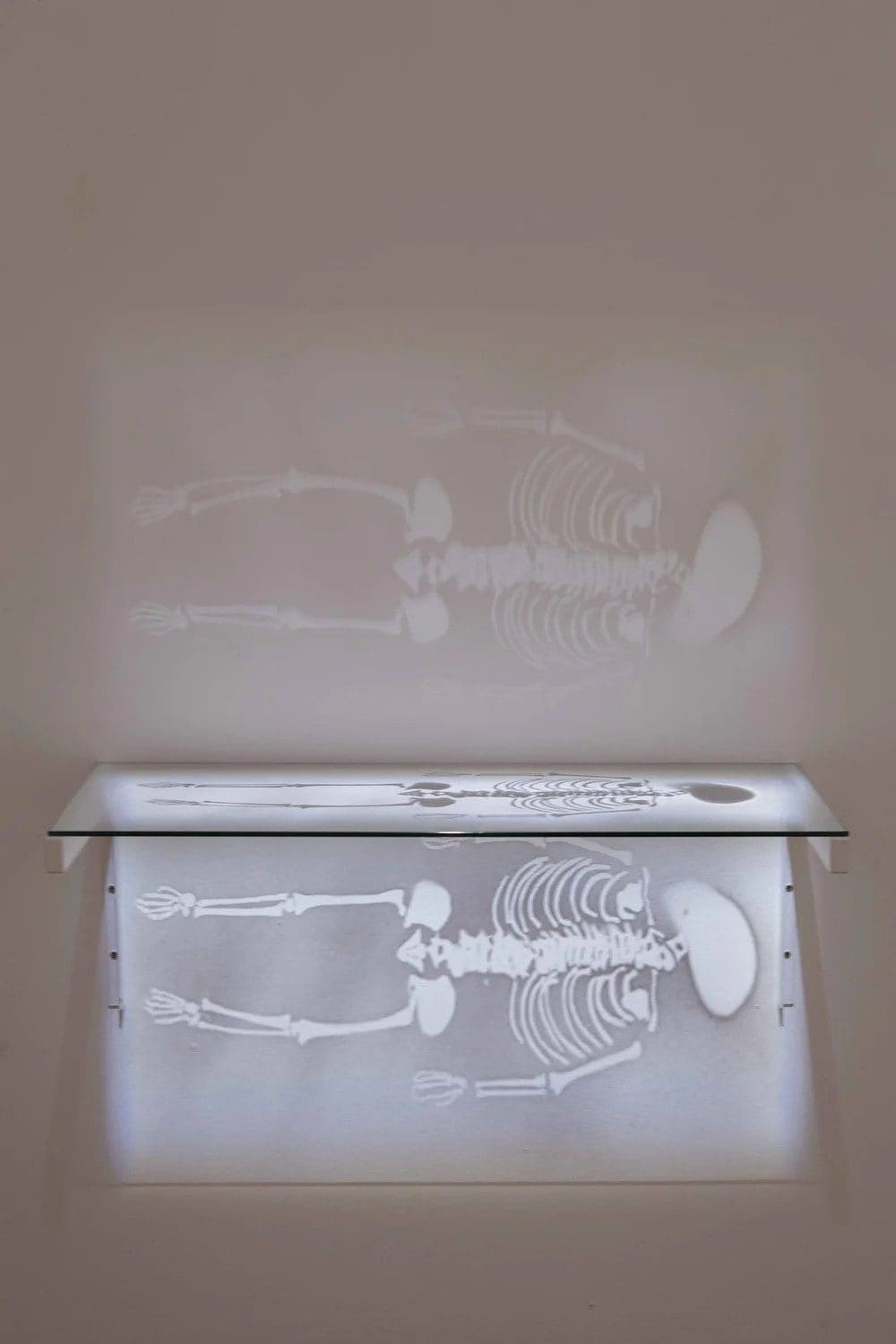
Her ethereal Turner Prize installation, Giant & Fairy Tales (1997) - Estate of Christine Borland/with thanks to Patricia Fleming Gallery
Christine Margaret Borland was born in Darvel, Ayrshire, on May 3, 1965 to John Boland and the former Christina McClew. Both her parents worked in the local lace-making factory. She attended Loudoun Academy in Galston, but credited long days of country walks and “making collections of pressed flowers and dead insects” as her real education.
In 1983 she enrolled at the Glasgow School of Art in the Mural and Stained-Glass department, but a year later joined the newly minted Environmental Art course, which encouraged students to engage with science and the landscape. At the college she met the artist and musician Ross Sinclair, whom she married in 2012.
She took an MA at the University of Ulster, living in Belfast, a formative time, she recalled, “experiencing life among traces of violence”. She started working with scientists after her graduation in 1988, commissioning forensic experts from the Northumberland Police to analyse samples from a patch of derelict land.
Advertisement
Featuring photographs, casts of footprints, fibre and paint analysis, A Place Where Nothing Has Happened was shown at the 1993 Tyneside International festival, the work installed in a Portacabin behind Newcastle’s law courts. One critic called the work “dry” but noted that “there is something strangely touching about being made to look hard and methodically at a place.”
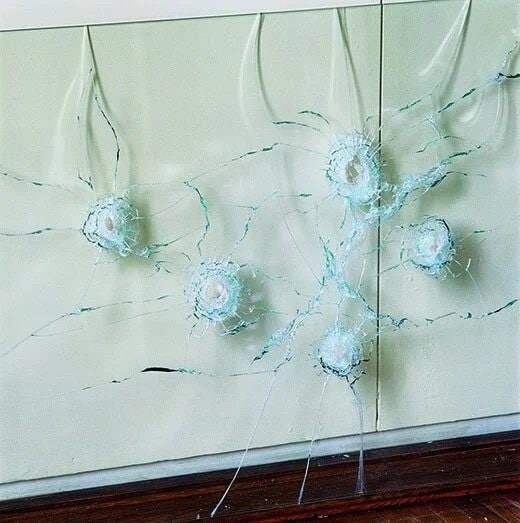
One of her early bullet pieces - Estate of Christine Borland/with thanks to Patricia Fleming Gallery
That same year she invited police marksmen to shoot plate glass with different makes of gun, the “delicate spider’s web of shattered glass” exuding an “unexpected beauty and menace,” according to The Daily Telegraph.
As her art eschewed any traditional medium, she was regarded as part of the Young British Art scene in the vein of Damien Hirst and the Chapman Brothers, artists similarly interested in death and violence. Christine Borland remained in Scotland, however, and while she was afforded more than 600 exhibitions, she never sought nor received the celebrity of her peers.
Her work was less bombastic, too, though occasionally biographical. Expecting her first child with Sinclair, the artist produced a series of videos and sculpture based on microscope analysis of a routine blood sample taken during the pregnancy, shown at Dundee Contemporary Arts in 1999.
For a 2010 show at Glasgow Sculpture Studios that travelled to the Camden Arts Centre in London, she installed herself in a specially constructed arena, suggestive of the traditional anatomy lecture theatre, in the gallery. Visitors were invited to watch her make a replica of a 19th-century plaster cast of an anonymous, partially dissected body she had found in the collection of the Royal College of Surgeons in Edinburgh.
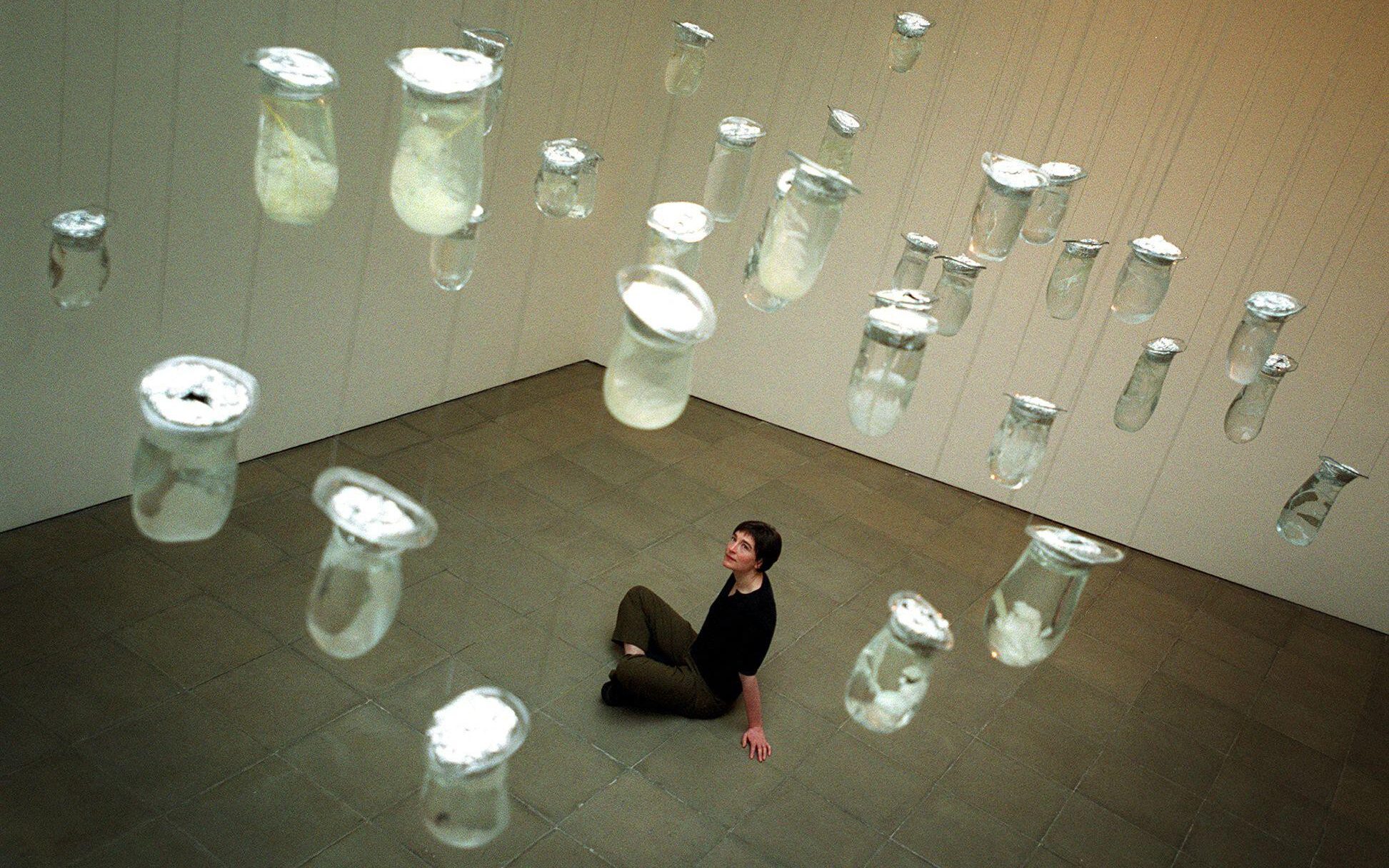
Christine Borland’s Ecbolic Garden (2001), featuring bleached plant samples thought by Renaissance apothecaries to induce ‘contractions of the uterus leading to expulsion of a fetus’ - Alamy
“There’s always an assumption that what I’m doing is a simple critique. But I’m not just saying ‘look, this poor guy was anatomised, posed, cast, made into a sculpture,’” she said. Letting people see her make the copy of the body was instead “making me complicit.”
From 2012 to 2016 Christine Borland collaborated with the American artist Brody Condon, soliciting volunteers to donate their bodies to the artists after their death, and creating a large ceramic sculpture that alluded to the wooden buildings once used in Highlands to protect the dead from body snatchers.
From 2011 she taught in the art department at Northumbria University, while serving as honorary professor at Peninsula College of Medicine and Dentistry at the Universities of Exeter and Plymouth. In 2020 she was appointed a Fellow of the Royal Society of Edinburgh.
She is survived by her husband and three daughters.
Christine Borland, born May 3 1965, died July 19 2026
Source: “AOL Entertainment”
